There’s nothing like the moment you pick up a new car, or decide it’s finally time to give your current one the care it deserves. The paint has that deep gloss, the glass is crystal clear, the cabin still smells fresh. But the moment you take it out onto Queensland roads, it’s up against some harsh conditions: scorching UV, blistering midday cabin heat, chemical contamination, acidic bird droppings, and high-velocity gravel kicked up on the open highway.
When car owners start researching surface preservation, they quickly encounter three primary protective solutions: window tinting, ceramic coatings, and paint protection film (PPF).
A common pitfall is treating these options as competing alternatives or accepting a generic, off-the-shelf dealership add-on package. The reality is that each technology shields a completely different physical layer of your vehicle against specific types of wear.
Knowing how to protect car paint properly and preserve your cabin comfort does not start with choosing a product off a shelf. It starts with analysing your personal driving habits, daily parking environment, and vehicle type.
At Solar Style, our Brisbane detailing specialists assess how you actually use your car to recommend a tailored combination of surface defence that fits your lifestyle and budget.
Understanding the Three Pillars: Tint vs Coating vs PPF
Before matching solutions to your lifestyle, it helps to understand the distinct physical role each treatment plays. Evaluating tint vs coating vs ppf comes down to distinguishing between solar heat, chemical contamination, and physical impact.
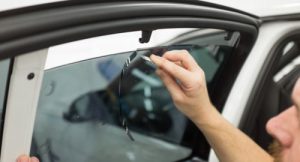
1. Ceramic Window Tinting: Interior Climate and UV Shielding
- Target Area: Automotive glass (side windows, rear windscreen, and panoramic glass roofs).
- Primary Threat Handled: Infrared heat, blinding sun glare, and interior upholstery fading.
- How It Works: High-performance films, such as ceramic window tinting, use non-metallic nano-ceramic particles to reject up to 99% of harmful ultraviolet rays without relying on dark, illegal privacy shades or interfering with mobile signals.
2. Ceramic Paint Coatings: Hydrophobic Gloss and Chemical Defence
- Target Area: Exterior paintwork, clear coat, alloy wheels, and plastic trims.
- Primary Threat Handled: Acidic bird droppings, tree sap, industrial fallout, oxidation, and difficult wash routines.
- How It Works: A professional liquid formula, such as NXTZEN ceramic coating, chemically bonds with your factory clear coat to form an ultra-smooth, hydrophobic glass layer. It seals microscopic pores in the paint, causing water, mud, and road grime to slide off while delivering a permanent high-gloss depth.
3. Paint Protection Film (PPF): High-Impact Shock Absorption
- Target Area: High-impact exterior panels (front bumper, bonnet, mirrors, side skirts, or full vehicle bodywork).
- Primary Threat Handled: Stone chips, gravel rash, road debris, bush rash, and physical parking scuffs.
- How It Works: Premium paint protection film is an optically clear, heavy-duty polyurethane membrane (typically 150 to 200 microns thick). It acts as a physical shock absorber that absorbs the energy of flying stones. Advanced PPF formulations also feature heat-activated self-healing top coats, meaning minor swirl marks and fine wash scratches disappear when exposed to warm water or sunlight.
A Tailored Protection Strategy: Why One Size Does Not Fit All
Dealerships often push standardised car protection packages, treating every customer’s vehicle identically regardless of whether it is a daily commuter parked outdoors or a weekend garage vehicle.
At Solar Style, we evaluate five core driving variables during our initial consultation at our Brisbane studio:
- Daily Driving Mileage: Are you navigating stop-and-start suburban traffic or logging hundreds of highway kilometres behind heavy freight transport?
- Parking Environment: Is your car parked in a shaded garage, under trees, or exposed on an open concrete carpark under intense Brisbane heat?
- Vehicle Substrate Characteristics: Does your car feature soft factory clear coats (common on many modern electric vehicles) or thin acrylic finishes?
- Maintenance Discipline: How frequently do you wash your vehicle, and do you prefer a quick hose-down or detailed hand washing?
- Ownership Horizon: Are you keeping the car for a two-year lease, or building a long-term keeper whose resale value you wish to maximise?
Matching Protection to Your Driving Profile
To determine which car protection is best for your specific situation, explore these common real-world driving profiles:
Profile A: The Daily Suburban Commuter & Family SUV
- Typical Usage: School runs, suburban grocery shopping, commuting to local workplaces, and parking outdoors or in open carparks.
- Primary Hazards: Intense solar heat buildup inside the cabin, shopping trolley bumps, bird droppings, tree sap, and everyday road grime.
- Recommended Protection Strategy:
- Essential: Ceramic Window Tinting to block heat and protect passengers and upholstery from UV degradation.
- Essential: A professional Ceramic Coating on exterior panels to stop environmental acids from etching into the clear coat and make weekly washing fast and effortless.
Profile B: The Highway Cruiser & Regional Commuter
- Typical Usage: Frequent long-distance driving along major highways, interstate motorways, or regional roads behind heavy trucks and commercial vehicles.
- Primary Hazards: High-velocity gravel strikes, stone chips, bug splatter, and heavy road tar accumulation.
- Recommended Protection Strategy:
- Essential: Partial or Full-Front PPF covering the front bumper, bonnet, headlights, and side mirrors to eliminate stone chips.
- Complementary: A Ceramic Coating across the remaining vehicle panels so bug splatter and road tar wipe off without aggressive scrubbing.

Profile C: The EV Enthusiast (Tesla Model 3, Model Y & Modern EVs)
- Typical Usage: Tech-focused daily driving with large glass roof surfaces and soft factory clear coat finishes.
- Primary Hazards: Massive cabin heat transfer through panoramic roofs, soft paint susceptible to swirl marks, and front bumper stone impact.
- Recommended Protection Strategy:
- Essential: Specialised Tesla paint protection combining high-heat rejection ceramic tint across side windows and panoramic glass.
- Essential: Full-Front PPF to protect the broad, flat front nose cone from gravel impacts.
- Recommended: Ceramic Coating across the full body to harden surface resistance and lock in deep visual clarity.

Profile D: The 4×4 Off-Roader & Outdoor Explorer
- Typical Usage: Weekend beach trips, inland tracks, towing boats or caravans, and navigating narrow bush trails.
- Primary Hazards: Scrub rash, flying gravel on dirt tracks, salt spray, mud staining, and harsh sun exposure.
- Recommended Protection Strategy:
- Essential: Heavy-duty 4×4 paint protection incorporating PPF along high-risk zones (flares, side skirts, bonnet, and door pillars) to prevent deep bush scratches.
- Complementary: A robust Graphene or Ceramic Coating to provide intense hydrophobic self-cleaning against heavy mud, clay, and coastal salt residue.
How Tint, Coating, and PPF Work Together
Rather than choosing just one treatment, modern vehicle preservation often relies on combining these technologies into a single, cohesive system.
By applying Paint Protection Film to high-impact strike zones (such as the front bumper and bonnet) and layering a professional Ceramic Coating over the entire vehicle, you achieve physical impact defence and chemical gloss in one application. Adding Ceramic Window Tint completes the shield by preserving the interior cabin environment.
Protect Your Investment with Solar Style Brisbane
Every vehicle deserves a protection strategy as unique as its owner. At Solar Style, our master detailers take pride in precision installation, using premium products, clean room conditions, and custom computer-cut templates to guarantee invisible seams and flawless finishes.
Contact our friendly team at Solar Style today to discuss your driving profile, explore tailored packages, and secure a complimentary consultation for your vehicle.